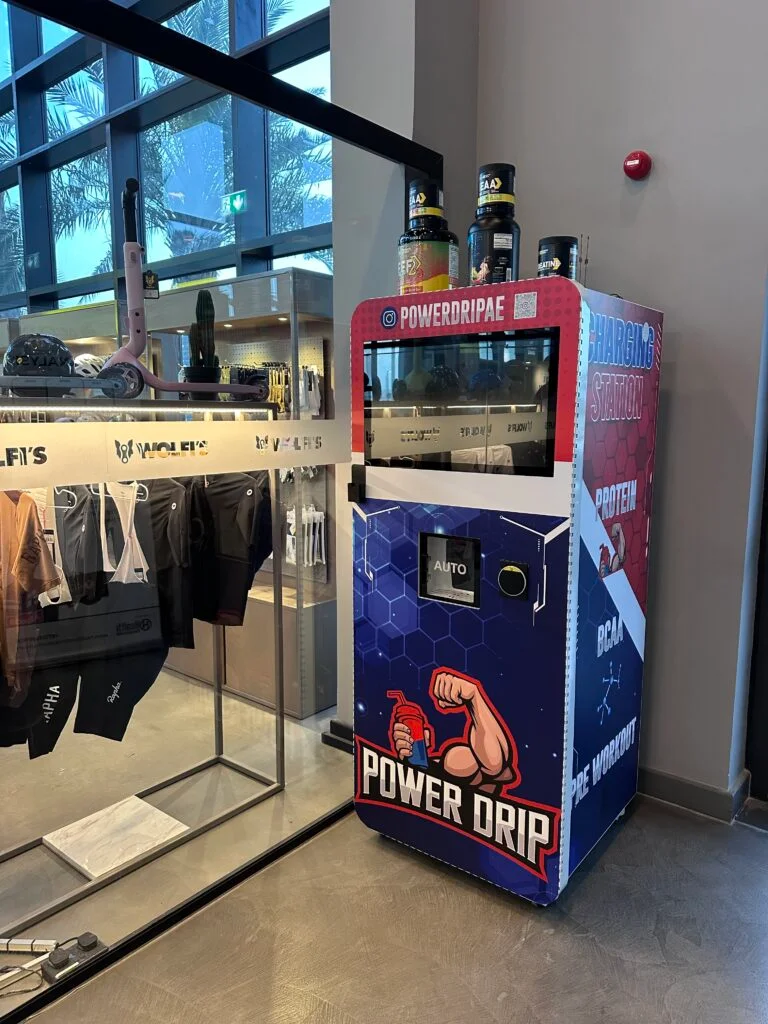
For years, the Indian fitness enthusiast has faced a common dilemma: the “anabolic window” vs. the commute home. While gyms are popping up in every urban corner, access to immediate, high-quality nutrition remains tethered to clunky protein shakers and messy powders carried in gym bags. Enter the protein vending machine—a sleek, automated solution poised to bridge the gap between finishing a set and fueling recovery. As India’s health-conscious demographic swells, these machines are transforming from a novelty into a strategic necessity for high-traffic fitness hubs.
The magic of the protein vending machine lies in its marriage of convenience and precision. Unlike traditional snack dispensers, these smart kiosks offer chilled, pre-mixed isolate shakes or curated protein bars at the touch of a screen, often integrating with UPI for seamless, cashless transactions. For gym owners, it represents a “plug-and-play” secondary revenue stream that requires zero staffing; for the consumer, it’s the end of the “forgot my scoop” frustration. In a country where the quick-service economy is booming, automation is the final frontier for the sports nutrition industry.
India is currently experiencing a fitness renaissance, driven by a growing middle class and a heightened focus on preventative health. With the domestic sports nutrition market projected to grow at a staggering rate, the infrastructure is finally catching up to the demand. By placing protein vending machines in corporate parks, metro stations, and premium fitness centers, entrepreneurs are tapping into a “Goldmine” of impulsive yet health-driven purchasing power. It isn’t just about selling a drink; it’s about capturing the momentum of a nation that is finally putting its health on the fast track.
Table of Contents
Why India Needs Protein Vending Machines (Right Now)
In 2026, India’s urban workforce is more fitness-conscious than ever, yet they remain chronically “time-poor.” With average commute times in metros like Bengaluru and Delhi hitting record highs, the luxury of going home to prepare a post-workout meal is disappearing. Protein vending machines solve this by providing “instant recovery” exactly where the workout happens. By eliminating the friction of prep work and cleanup, these machines cater to the high-spending professional who values 15 minutes of saved time as much as the quality of the protein itself.
One of the biggest hurdles in India’s $2 billion sports nutrition market has been the rampant circulation of counterfeit supplements. Consumers are often wary of unverified local vendors or tampered jars. Automated protein kiosks serve as a bastion of trust; by partnering directly with reputable brands and utilizing sealed, single-serve dispensing technology, they provide a transparent and “audit-proof” way to consume supplements. For the safety-conscious Indian consumer, the machine isn’t just a convenience—it’s a guarantee of authenticity in a market plagued by fakes.
As fitness shifts from a “bodybuilding” niche to a pillar of preventative healthcare, the demand for protein is spilling out of the gym and into the “Third Space.” India currently faces a significant protein deficiency in traditional diets, and there is a growing realization among Gen Z and Millennials that protein is essential for daily metabolic health, not just muscle mass. Placing vending machines in corporate hubs, metro stations, and even residential complexes makes high-quality nutrition as accessible as a bottle of soda. This is the infrastructure India needs to turn protein into a daily wellness habit rather than a specialized chore.
The Business Model: Why It Prints Money
The primary allure of the protein vending business is its zero-labour overhead. Unlike a gym juice bar that requires a dedicated staff member, electricity for multiple appliances, and manual inventory tracking, a smart vending machine operates as a 24/7 autonomous retail unit. By eliminating the largest fixed cost in retail—salaries—the business model shifts almost entirely to variable costs. In the Indian context, where “micro-entrepreneurship” is peaking, this allows a single operator to manage a fleet of ten or more machines across a city with nothing more than a smartphone and a part-time restocker in fitness industry.
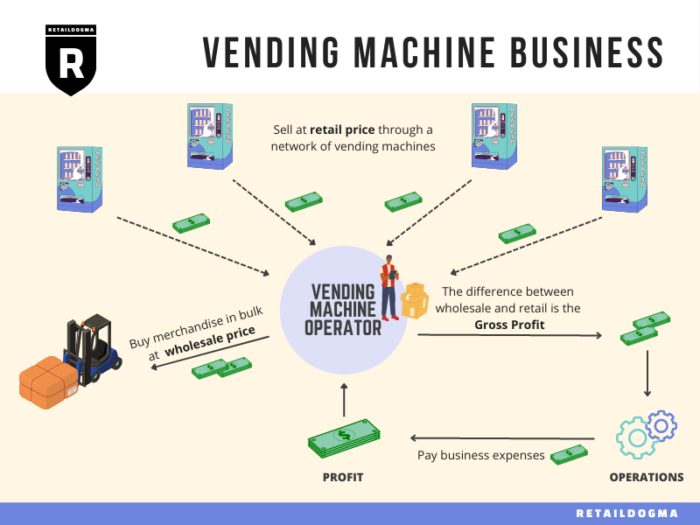
The economics of sports nutrition are inherently more lucrative than traditional snacks. While a packet of chips might yield a few rupees in profit, a single serving of high-quality whey protein or a premium protein bar carries a significantly higher Average Order Value (AOV). Most operators follow a “2X Rule,” where the retail price is approximately double the wholesale acquisition cost, resulting in gross margins of 40–60%. With smart machines now integrating UPI and BharatQR, the friction of “exact change” is gone, leading to higher impulse conversion rates and a faster Return on Investment (ROI)—often within 12 to 18 months.
Modern machines in 2026 are essentially IoT-enabled data hubs. They don’t just sit there; they communicate. Through real-time cloud analytics, owners can see exactly which flavors are “flying off the shelf” and which are stagnating, allowing for precise restocking that minimizes waste and maximizes cash flow. This data-driven approach also opens up secondary revenue streams, such as digital advertising on the machine’s touchscreen or “listing fees” from new supplement brands looking to sample their products directly to their target demographic. It’s not just a dispenser; it’s a high-precision marketing tool that pays for itself.
Setup Costs💵
Starting a protein vending business in India requires an investment comparable to a high-end professional laptop, making it one of the most accessible “passive income” ventures in the fitness sector. A Basic Model, priced between ₹90,000 and ₹1.3 lakh, typically features a single-flavor powder-to-water mixing mechanism. This is the ideal “MVP” (Minimum Viable Product) for local neighborhood gyms where the primary goal is pure utility. When you factor in a starter inventory of ₹12,000 to ₹25,000 and minimal branding costs, an entrepreneur can go live for as little as ₹1.1 lakh, targeting a rapid break-even point through high-volume, low-complexity sales.
For those eyeing premium CrossFit boxes or high-end corporate hubs, the Premium Model (₹1.5 – ₹2 lakh) is the strategic choice. These machines move beyond simple mixing to offer multiple flavor profiles and chilled delivery—a critical factor in India’s tropical climate where a lukewarm shake is a dealbreaker. While the upfront cost is higher, the “experience” justifies a premium price point per cup. With professional vinyl branding and sleek LED interfaces costing a mere ₹8,000, these units function as high-tech billboards that command respect and higher customer loyalty, pushing the total initial investment toward the ₹2.3 lakh mark.
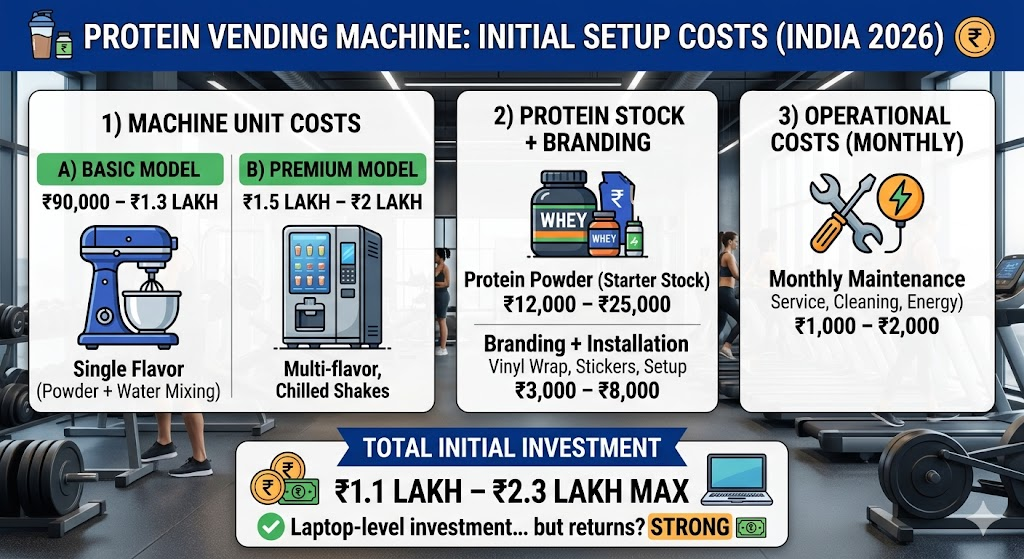
The beauty of this financial model lies in its incredibly low Monthly Maintenance (₹1,000 – ₹2,000). Unlike a traditional franchise that eats into profits with high royalty fees and electricity bills, these machines are designed for high energy efficiency and durability. Because the “Laptop-level investment” is heavily weighted toward the asset itself rather than recurring operational sinks, the cash flow remains “sticky.” As the machine pays for itself, the surplus can be immediately reinvested into a second unit, allowing an operator to scale from a single machine to a city-wide circuit with predictable, compounding returns.
Monthly Earnings: Where the Real Profit Flex Happens
The true power of this model lies in the massive spread between raw material costs and retail pricing. On average, a high-quality scoop of whey protein (bought in bulk) costs an operator between ₹35 and ₹50, including the cup and water. When sold through the machine for ₹100 to ₹150 per serving, you are looking at a gross profit of nearly 200% to 300%. Unlike traditional retail where margins are razor-thin, every “clink” of a successful UPI transaction represents a significant contribution toward the machine’s ROI. At a modest 20-25 shakes a day, a single unit can generate a monthly gross profit that easily covers its own small footprint of rent and electricity.
When you look at the monthly numbers, the “flex” becomes even more apparent. A well-placed machine in a mid-sized gym (300+ members) can realistically sell 30 shakes daily. At a profit of ₹80 per shake, that’s ₹2,400 per day, or ₹72,000 per month. Even after accounting for a gym “rent” or revenue-share (typically 10-15%) and electricity, the net monthly take-home per machine can range from ₹40,000 to ₹55,000. For an investor, this means the entire “Laptop-level investment” is often recovered in just 4 to 6 months, after which the machine becomes a pure cash-flow asset.
The earnings potential isn’t limited to liquid shakes alone. Smart machines allow for a “hybrid” inventory, stocking high-margin items like protein bars, pre-workout sachets, or electrolyte drinks. This diversification captures different segments of the gym-going crowd—those who forgot their snack, those needing an energy boost before their set, and those recovering after. By stacking these micro-transactions, the “Monthly Flex” isn’t just a single revenue stream; it’s a multi-layered ecosystem of fitness convenience that “prints” money while you sleep, making it one of the most efficient uses of square footage in the modern Indian economy.
Why Gyms Love This Deal
For gym owners, the installation of a protein vending machine represents the ultimate “zero-effort, high-reward” scenario. Modern machines operate on a revenue-share or a fixed-rent model, meaning the facility incurs no upfront purchasing or leasing costs. It converts an unused corner of the gym—often just 4-5 square feet—into an immediate, reliable secondary income stream. While the gym focuses on providing excellent training, the automated kiosk handles the retail, splitting the profits. In an industry where margins can be tight, this passive income directly improves the facility’s bottom line without requiring additional staffing or administrative overhead.
A well-stocked protein vending machine significantly enhances the facility’s value proposition. It solves the biggest post-workout paint point for members: the chaotic search for a shake or a meal immediately after training. By offering a premium, chilled, ready-to-consume shake right on the gym floor, the facility provides “Instant Recovery.” This professional, convenient ammenity fosters a sense of being “looked after,” increasing member satisfaction and loyalty. Instead of members rushing home, they linger, chat, and consume, creating a stronger sense of community and perception that the gym provides a complete wellness ecosystem.
Unlike managing a manual juice bar, which involves dealing with perishables, staff shrinkage, and constant inventory audits, a smart vending machine is a closed, data-driven system. Real-time IoT connectivity and integrated UPI payments eliminate the traditional retail headaches of cash handling and product disappearing. Everything is digital and “audit-proof.” For gym owners, this means complete financial transparency and security. The machine automatically tracks inventory and manages sales data, providing clear, effortless reporting and making the entire retail experience sophisticated and stress-free for management.
Discover more from Sporty Vaibhav
Subscribe to get the latest posts sent to your email.